Choosing the Right Packaging Materials for Your Products

Dcommerce Team
Author
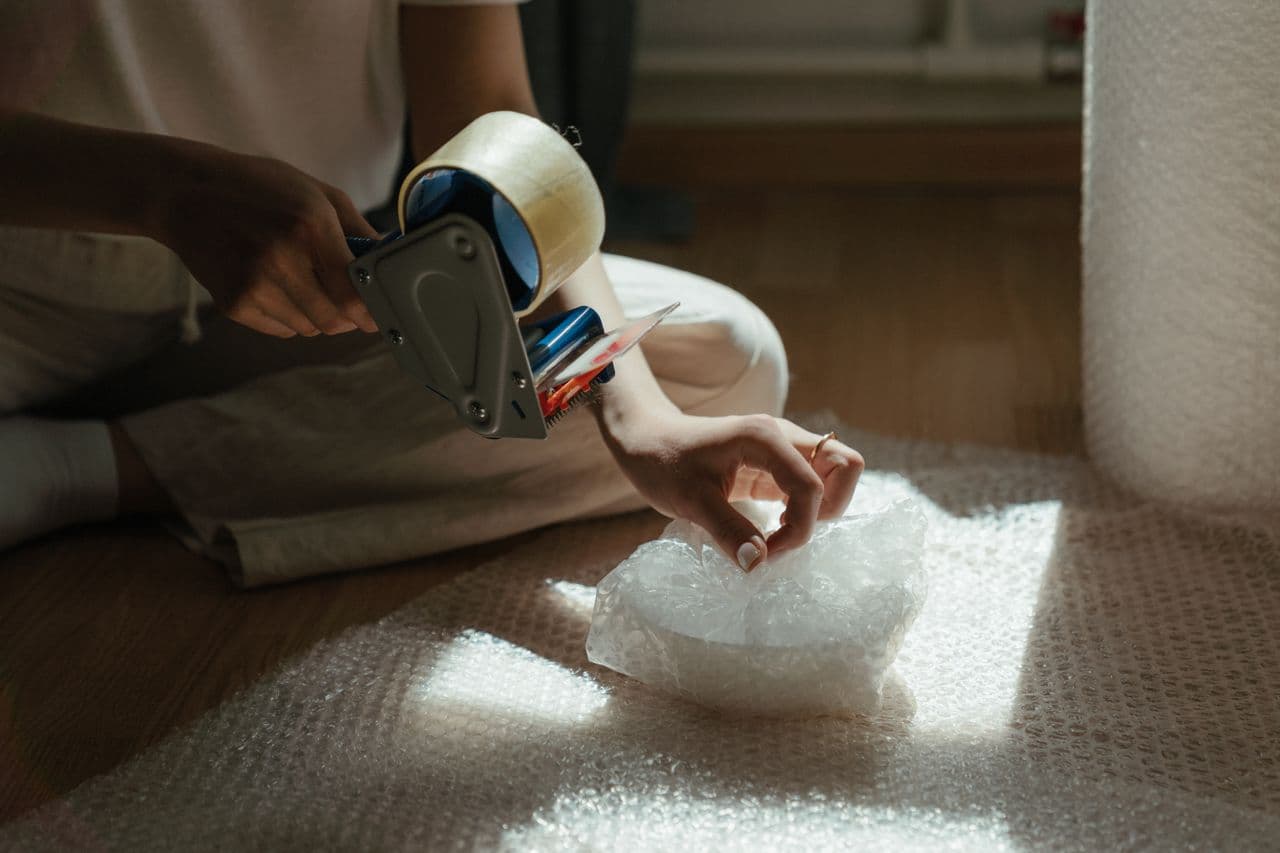
Walk into any local packaging supplier and you'll see dozens of box sizes, mailer types, and filler materials, which can make choosing the right one feel more complicated than it needs to be. The truth is, most small sellers only need to master a handful of packaging materials matched correctly to their product type, rather than trying to learn every option available on the market. Getting this right protects your products from damage, keeps shipping costs under control, and quietly shapes how professional your brand feels the moment a customer opens the parcel.
Why Packaging Choice Matters Beyond Just Protection
It's tempting to think of packaging purely as a protective layer, but it actually affects three separate parts of your business at once: product safety during transit, your shipping cost through volumetric weight, and the customer's unboxing experience, which shapes whether they trust your brand enough to order again.
Choosing the wrong packaging materials for a product usually shows up as one of three problems: items arriving damaged, shipping bills higher than expected, or a parcel that looks careless and unprofessional when it reaches the customer's door.
Matching Materials to Product Type
Corrugated Boxes for Rigid or Fragile Items
Standard corrugated cardboard boxes remain the best choice for anything rigid, heavy, or breakable, including electronics, ceramics, glass items, and stacked products. Double-walled corrugated board offers extra protection for genuinely fragile items, though it does add some weight and bulk.
Poly Mailers for Soft, Flexible Products
Clothing, accessories, and other soft, non-fragile items ship well in poly mailers, which are lightweight, water-resistant, and naturally conform to the product's shape, helping keep volumetric weight lower than a rigid box would.
Rigid Mailer Boxes for Semi-Fragile Flat Items
Items like prints, documents, jewellery, or flat accessories that need some rigidity but not full box-level protection often do well in rigid mailer envelopes, which strike a middle ground between a poly mailer and a full corrugated box.
Specialty Packaging for Unique Categories
Food items typically need food-safe, sometimes insulated packaging depending on shelf life. Cosmetics and liquids benefit from leak-proof sealing and absorbent filler in case of transit damage. Matching packaging to these specific needs upfront avoids costly damage claims later.
Choosing the Right Filler and Cushioning
Once you've picked the outer packaging, the internal cushioning determines whether the product actually survives the journey intact.
- Bubble wrap works well for individually wrapping fragile or breakable items before placing them in a box.
- Kraft paper filler or crinkle paper fills empty space efficiently for lighter items, adding minimal bulk while still preventing shifting during transit.
- Air pillows are lightweight and effective for filling gaps in larger boxes without significantly increasing volumetric weight.
- Foam inserts are worth the investment for high-value, delicate items like electronics or glassware, where a single damaged unit could cost far more than the packaging itself.
The goal with filler is always the same: eliminate movement inside the box without adding unnecessary bulk that pushes up your shipping cost through volumetric weight.
Building a Simple Packaging Checklist
Rather than deciding packaging choices from scratch for every order, a short reference checklist saves time and keeps decisions consistent across your whole catalogue.
- Identify the product category — rigid, soft, fragile, or specialty — and match it to the appropriate base packaging type.
- Choose the closest-fitting box or mailer size from your standard range rather than defaulting to whatever's nearest at hand.
- Add the right filler based on fragility, using the minimum amount needed to eliminate movement inside the package.
- Seal securely with appropriate tape, checking that flaps and edges are properly closed rather than loosely folded.
- Do a quick shake test before sealing completely, to confirm nothing shifts audibly inside the box.
Sticking to a simple checklist like this, especially once your order volume grows and multiple people might be packing orders, keeps quality consistent regardless of who's doing the packing on a given day.
Seasonal and Weather Considerations
Packaging needs can shift depending on the season and the regions you're shipping to. During monsoon months, water-resistant outer packaging, like poly mailers or a plastic wrap layer inside a cardboard box, becomes far more important for protecting products from moisture damage during transit and last-mile delivery. For products sensitive to heat, such as certain cosmetics or food items, shipping during peak summer months may require extra insulation or timing shipments to avoid the longest transit windows. Reviewing your packaging approach seasonally, rather than using identical materials year-round, reduces weather-related damage claims noticeably.
Balancing Protection With Shipping Cost
Since packaging materials directly affect a parcel's final dimensions, there's a real tension between "pack it extra safe" and "keep the box as small as possible." The right balance depends on the product's fragility and value.
For low-risk, sturdy items, err on the side of a snug, minimal package. For genuinely fragile or high-value items, it's usually worth accepting a slightly higher volumetric weight in exchange for meaningfully lower damage and return rates, since a damaged item costs far more in replacement, refund, and lost trust than the extra packaging would have.
Sourcing Packaging Materials Affordably
Buying packaging in bulk from wholesale suppliers, rather than retail packaging shops, typically cuts costs significantly once your order volume justifies it. A few practical sourcing habits help:
- Order 2-3 standard box sizes in bulk rather than a single one-size-fits-all option, so you're not over-packaging small items.
- Compare per-unit pricing across a few local wholesale suppliers before committing to one, since prices can vary noticeably.
- Reorder before you run completely out, since last-minute retail purchases of packaging material almost always cost more per unit.
- Consider recyclable or eco-friendly materials where the cost difference is small, since sustainability increasingly matters to customers and can be a small brand differentiator.
Branding Your Packaging Without Overspending
You don't need custom-printed boxes to make your packaging feel branded. A simple, consistent thank-you card, a branded sticker sealing the box, or coordinated tissue paper in your brand colours can create a memorable unboxing experience at a fraction of the cost of fully custom packaging. Consistency across every order matters more than any single expensive element, since it's the repeated, recognisable experience that builds brand recall over time.
Testing Packaging Before Committing to Bulk Orders
Before ordering hundreds of a particular box size or mailer, it's worth running a small test batch first. Ship a handful of test parcels to yourself or a trusted contact in a different city, and check how the product survives standard transit handling. This small step catches problems, like a box that's slightly too flimsy for a heavier product or filler that shifts more than expected, before you've committed to a large, potentially wasted bulk order. It's a small upfront investment of time that can prevent a much larger cost in damaged goods and unhappy customers down the line, especially when introducing a genuinely new product category to your catalogue for the first time.
Common Packaging Mistakes to Avoid
Reusing Boxes That Are Too Large
Reusing old boxes saves money, but if the box is significantly larger than the product, the resulting volumetric weight charge often costs more than a correctly sized new box would have.
Skimping on Fragile Item Protection
Cutting corners on padding for genuinely fragile items to save a few rupees usually backfires, since a single damage claim, replacement, or refund costs far more than the padding would have.
Inconsistent Packaging Across Orders
Switching between random box types and styles order to order makes your brand feel disorganised. Standardising your packaging choices, even loosely, creates a more consistent, professional impression.
Bringing It All Together
The right packaging materials, matched carefully to each product type, protect against damage, keep shipping costs predictable, and shape how professional your brand feels in the customer's hands. A little upfront thought about box type, filler, and sizing pays for itself many times over in fewer damaged parcels, lower volumetric weight charges, and customers who feel confident ordering from you again. None of this requires a large upfront investment; even small, incremental improvements to how you pack each order compound into meaningful savings and fewer complaints as your order volume scales up over time.
Since shipping costs through Dcommerce's Ekart logistics integration are calculated directly from the dimensions entered at dispatch, choosing efficient packaging isn't just about protecting the product — it directly keeps your delivery costs predictable as your order volume grows. Treat your packaging choices as an ongoing part of running the business, not a one-time decision made when you first started selling, and revisit them periodically as your product range expands or as you notice recurring damage or shipping cost patterns worth addressing.