Handling Out-of-Stock Products the Right Way

Dcommerce Team
Author
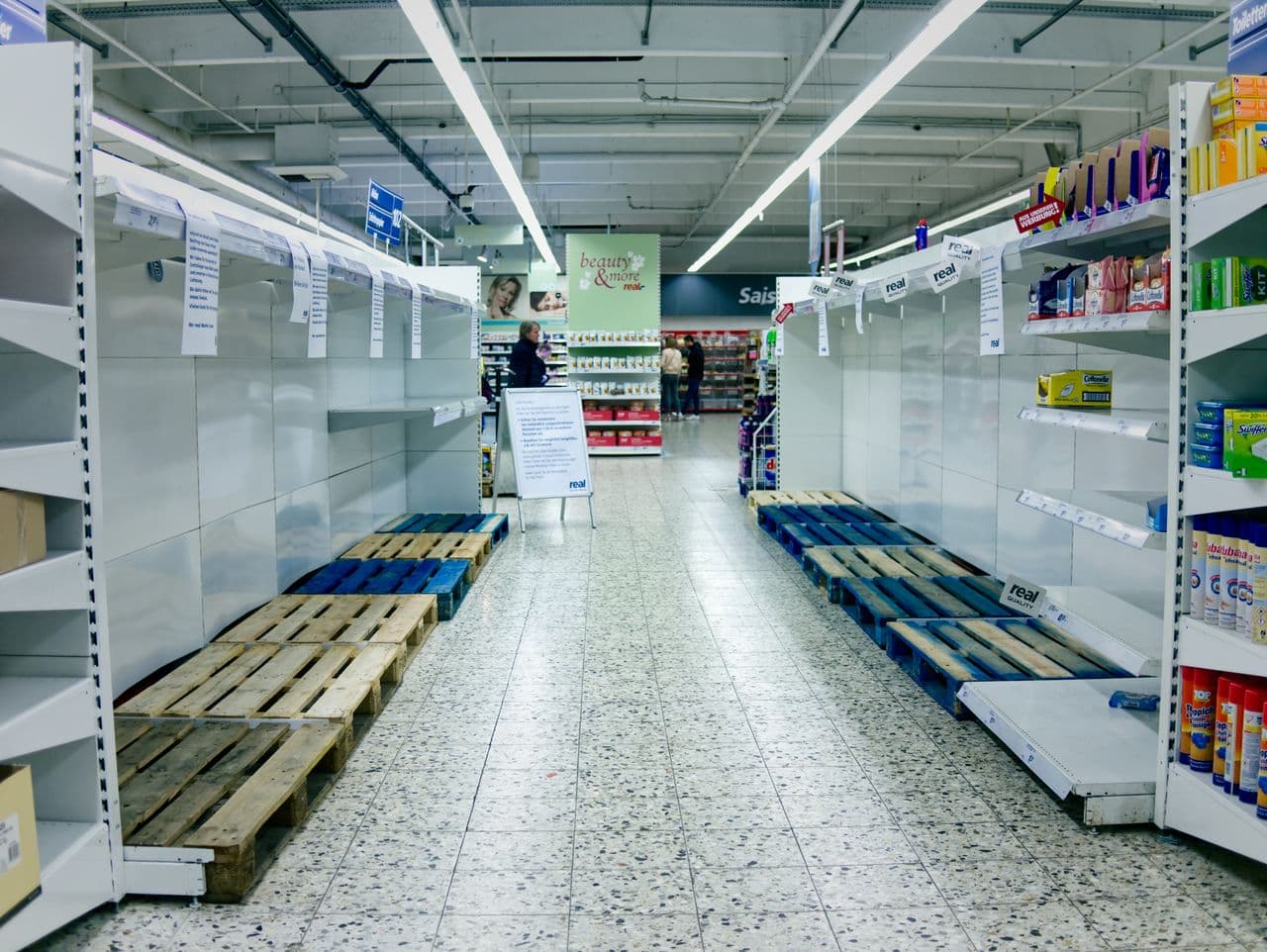
A sold-out product feels like a win, real demand for something you made or sourced, but how you
handle that moment often determines whether the interest it generated turns into a future sale or
simply evaporates. Handling out-of-stock products thoughtfully keeps potential customers
engaged and informed, rather than letting a "sold out" label become a dead end that quietly loses
every bit of interest a popular product built up.Why a Simple "Sold Out" Label Isn't Enough
A bare "sold out" tag tells a visitor what's not available without giving them any path forward.
Someone genuinely interested in that specific product has no way to express that interest, no way
to know when it might return, and often simply leaves to look elsewhere rather than remembering to
check back later on their own. Every one of these silent departures represents lost future revenue
that a slightly better approach could have captured.
Setting Up a "Notify Me" or Waitlist Option
Giving customers a way to leave their contact details specifically for a sold-out item, to be notified
automatically once it's back, turns a dead-end moment into a captured lead for a future sale. This is
one of the most effective tools for handling out-of-stock products, since it requires no ongoing
manual effort once set up, and it directly measures genuine demand for a specific product through
the number of people who actually sign up to be notified.
Using Waitlist Data to Inform Restocking Decisions
Beyond just capturing interest, the size of a waitlist for a specific out-of-stock product gives you a
genuinely useful, concrete signal for prioritising restocking decisions. A product with fifty people
waiting to be notified deserves faster restocking attention than one with only two or three,
information that's far more reliable than guessing based on general impression or how much you
personally like a particular item.
Communicating Realistic Restock Timelines
Where you have a genuine estimate of when a product will return, sharing it, even as a rough range
like "back in stock within 2-3 weeks," manages expectations far better than leaving customers with
no information at all. If you genuinely don't know when or whether an item will return, it's more
honest to say so clearly rather than promising a specific timeline you can't actually confirm, since a
broken restock promise damages trust more than admitted uncertainty would.
Offering Alternatives Instead of a Dead End
When a specific product is unavailable, suggesting a genuinely similar or complementary item,
rather than leaving the customer with nothing, can redirect that existing interest toward an actual
sale. This works particularly well when the alternative is honestly comparable in some meaningful
way, similar style, similar use case, rather than an unrelated suggestion that feels like a generic,
unhelpful redirect.
Handling Out-of-Stock Variants Specifically
For products with multiple sizes or colours, a specific variant selling out shouldn't mean hiding the
entire product listing. Clearly marking which specific variants are unavailable, while keeping the rest
of the listing active and browsable, avoids losing sales on the variants that are still genuinely in
stock, a common and easily avoidable mistake when out-of-stock handling isn't set up carefully at
the variant level.
Using Social Media to Announce RestocksOnce a popular sold-out item returns, actively announcing the restock across Instagram, Stories,
and your WhatsApp broadcast list, rather than just quietly updating the storefront listing, ensures
your waitlist and existing followers actually notice and act quickly, particularly important for items
likely to sell out again fast. Building genuine anticipation around a restock, especially for something
that previously sold out visibly, can itself become a small marketing moment worth planning around.
Avoiding Fake Urgency Around Stock Levels
While genuine low-stock indicators, like "only 2 left," can be a legitimate and effective urgency
signal, artificially displaying scarcity that doesn't reflect real inventory undermines customer trust
once discovered, and increasingly savvy shoppers are quick to notice when a "low stock" warning
seems to persist indefinitely without ever actually running out. Keeping any stock indicators
genuinely accurate protects the credibility of this tactic when you do use it honestly.
Deciding Whether to Discontinue vs Restock
Not every sold-out product deserves automatic restocking. Reviewing whether a product's sales
performance and waitlist interest genuinely justify reordering, versus quietly discontinuing it in
favour of better-performing items, keeps your restocking decisions data-driven rather than reflexive.
A product that sold reasonably well but generated little genuine waitlist interest once sold out may
simply not be worth the capital and effort of restocking compared to doubling down on your genuine
bestsellers.
Preventing Overselling in the First Place
The best way to handle out-of-stock situations is often to prevent accidentally overselling before
stock is genuinely exhausted. Keeping accurate, real-time inventory counts, particularly important if
you also sell offline or across multiple channels, avoids the frustrating scenario of accepting an
order for a product that's already technically sold out, which creates a far worse customer
experience than a clearly marked, honest out-of-stock listing ever would.
Common Mistakes in Handling Out-of-Stock Products
Removing the Listing Entirely
Deleting a sold-out product's page loses any SEO value it had built up and removes the option to
capture waitlist interest; keeping the listing live but clearly marked unavailable is almost always the
better choice.
Never Following Up With Waitlist Signups
Collecting notify-me signups but failing to actually message customers once the product returns
wastes the entire point of building the waitlist in the first place.
Leaving No Explanation for Extended Unavailability
A product marked "out of stock" for months with no update or explanation leaves customers
confused about whether it's genuinely coming back or effectively discontinued.
Bringing It All TogetherHandling out-of-stock products well means treating a sold-out moment as a capture opportunity
rather than a dead end, through waitlists, honest timeline communication, and thoughtful
alternatives. Done consistently, this turns what could be lost interest into a genuinely reliable
pipeline of future sales, while also giving you clearer, more concrete data on which products
actually deserve your restocking priority.