How Safe COD Verification Works on Dcommerce

Dcommerce Team
Author
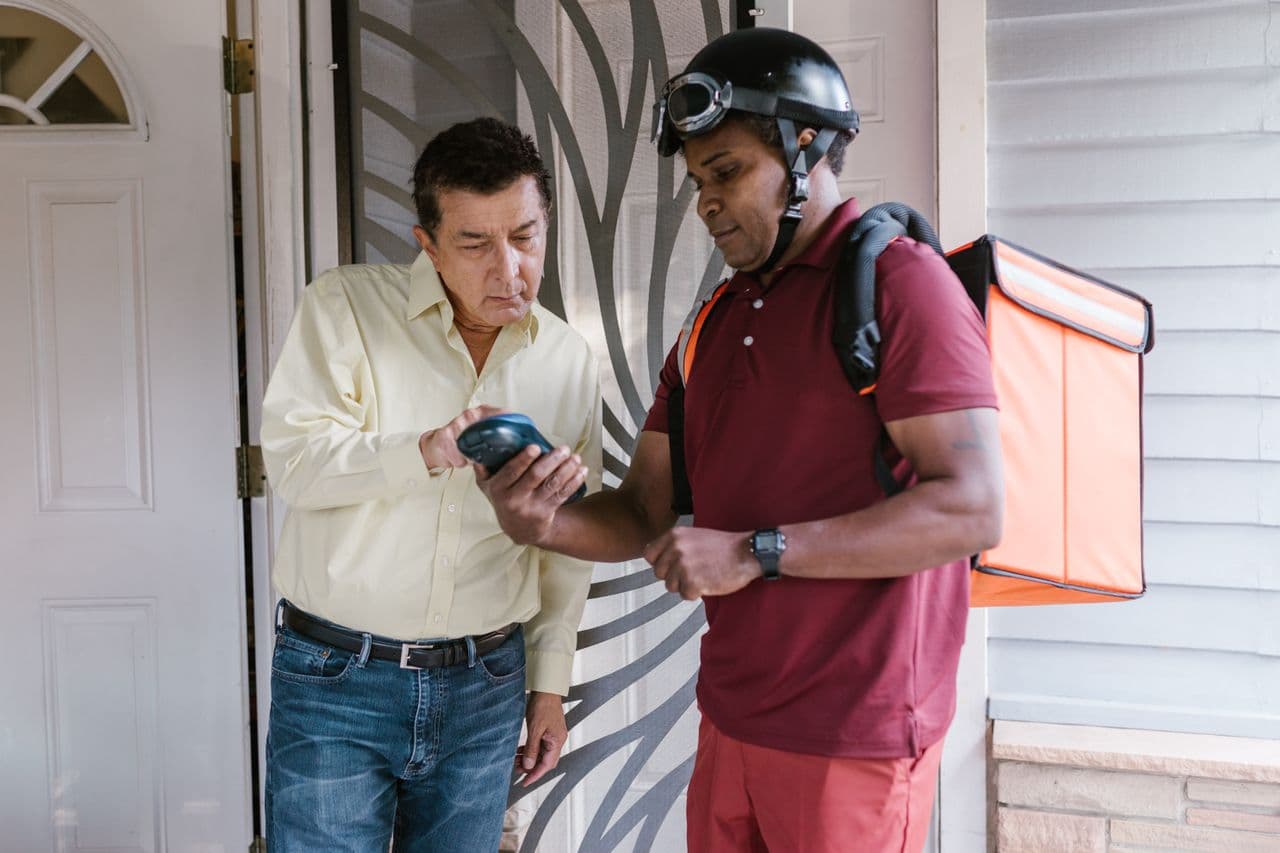
Cash on Delivery drives a huge share of orders for small Indian sellers, since it lets customers try an unfamiliar brand without any upfront financial risk. But COD also comes with a real cost: fake orders, doorstep rejections, and RTO parcels that eat into margins and waste packing time. Dcommerce's Safe COD verification is built to keep the conversion benefit of Cash on Delivery while filtering out the low-intent and risky orders before they ever reach dispatch, so sellers don't have to choose between offering COD and protecting their margins.
Why COD Needs Verification in the First Place
Not every COD order placed on a store represents genuine buying intent. Some are impulse clicks that fade before delivery arrives, some are placed casually or even by mistake, and a small share are simply not serious inquiries at all. Shipping every single COD order without any verification means absorbing the packaging, shipping, and handling cost of orders that were never going to be accepted at the doorstep in the first place, which quietly erodes margins across the store.
How Safe COD Verification Works
When a customer places a COD order on a Dcommerce store, the platform runs verification checks as part of the order flow itself, rather than leaving sellers to manually call or message every single customer to confirm intent before dispatch. This built-in verification step filters out a meaningful share of low-intent or risky orders automatically, so sellers spend less time chasing confirmations and more time shipping orders that are actually likely to be accepted.
What This Means for Your Day-to-Day Operations
Without any verification layer, sellers often end up manually messaging every COD customer to confirm their order before packing it, which is a genuinely time-consuming habit to maintain as order volume grows. With Safe COD handling verification automatically as part of the checkout flow, that manual confirmation step becomes far less necessary for the bulk of orders, freeing up time that would otherwise go toward chasing confirmations one conversation at a time.
How Safe COD Compares to Manual Verification Habits
Many sellers who haven't yet moved to a platform with built-in verification rely on manually calling or messaging every COD customer before dispatch, a habit that works reasonably well at low volume but becomes genuinely unsustainable once daily order counts climb into the dozens. Safe COD effectively automates the intent-checking that manual confirmation calls were always trying to achieve, applying consistent criteria to every order rather than depending on however much time and attention a seller has available on any given day to make those calls.
What Happens When an Order Doesn't Pass Verification
Orders that don't clear Safe COD's verification checks are flagged before they reach the packing and dispatch stage, giving sellers the chance to review flagged orders directly rather than discovering the issue only after a parcel has already been packed, shipped, and rejected at the doorstep. This upfront flagging is where the real operational savings come from, since it prevents wasted packaging materials, courier pickup costs, and dispatch labour on orders that were unlikely to convert into a successfully accepted delivery in the first place.
How This Fits Into a Broader Strategy to Reduce Returns
Verification at checkout is one part of a larger picture when it comes to keeping COD returns and RTO manageable. Combining Safe COD with accurate product photography, honest sizing information, and realistic delivery timelines addresses the full range of reasons a COD parcel might get rejected at the door, not just the low-intent order problem specifically. Sellers who rely purely on verification while neglecting listing accuracy or packaging quality often still see elevated return rates, simply from a different set of causes that verification alone can't solve.
Balancing COD Availability With Order Quality
Some sellers worry that any verification step might discourage genuine customers from completing a COD order, but the goal of Safe COD is specifically to filter out low-intent or risky orders without adding meaningful friction for genuine buyers. A well-designed verification flow should be largely invisible to a customer who genuinely intends to receive and pay for their order, while still catching the pattern of orders that were unlikely to ever convert into an actual accepted delivery in the first place.
Why This Matters More During High-Volume Periods
During festive seasons or promotional pushes, order volume can spike well beyond a seller's normal baseline, and manually verifying every single COD order at that scale becomes genuinely impractical for a small team or solo seller. Having verification built directly into the checkout flow means the filtering happens automatically regardless of volume, which matters most precisely during the periods when order volume is highest and manual verification would otherwise become the operational bottleneck holding dispatch back.
What Sellers Can Still Do to Reduce COD Returns Further
Safe COD verification handles the order-intent side of the equation, but sellers still play a role in the rest of the return-reduction picture. Accurate product photography and honest descriptions prevent expectation-mismatch rejections. Realistic delivery timelines prevent frustration-driven cancellations. Sturdy, appropriately sized packaging prevents damage-related rejections. Combining these seller-side practices with Dcommerce's built-in Safe COD verification addresses COD returns from multiple angles at once, rather than relying on any single fix to solve the whole problem.
Tracking the Impact on Your Store
As you use Safe COD over time, it's worth keeping an eye on your overall COD return and RTO rate to see the impact directly in your own numbers. Comparing your return rate before and after fully relying on the built-in verification, alongside tracking which specific return reasons still show up most often, helps you understand where verification is doing its job effectively and where other factors, like packaging or listing accuracy, might still need separate attention.
Why Offering COD at All Is Still Worth It
Despite the operational challenges COD can introduce, removing it entirely often costs small sellers more in lost sales than it saves in avoided returns, since a meaningful share of first-time customers simply won't complete a prepaid-only purchase from an unfamiliar brand. Offering COD securely, with verification built in to manage the associated risk, tends to be a better outcome for most small Indian sellers than either accepting COD with no safeguards at all or removing the option entirely and losing the conversion benefit it provides for cautious, first-time buyers.
Bringing It All Together
Dcommerce's Safe COD verification is designed to let sellers keep offering the payment flexibility that Indian customers genuinely want, while reducing the operational cost of low-intent and risky orders that would otherwise ship, get rejected, and quietly eat into margins. Paired with good packaging, honest listings, and realistic delivery timelines, it forms one part of a broader, multi-layered approach to keeping COD genuinely profitable rather than a constant source of avoidable loss.