Partial and Advance Payments for Custom Products

Dcommerce Team
Author
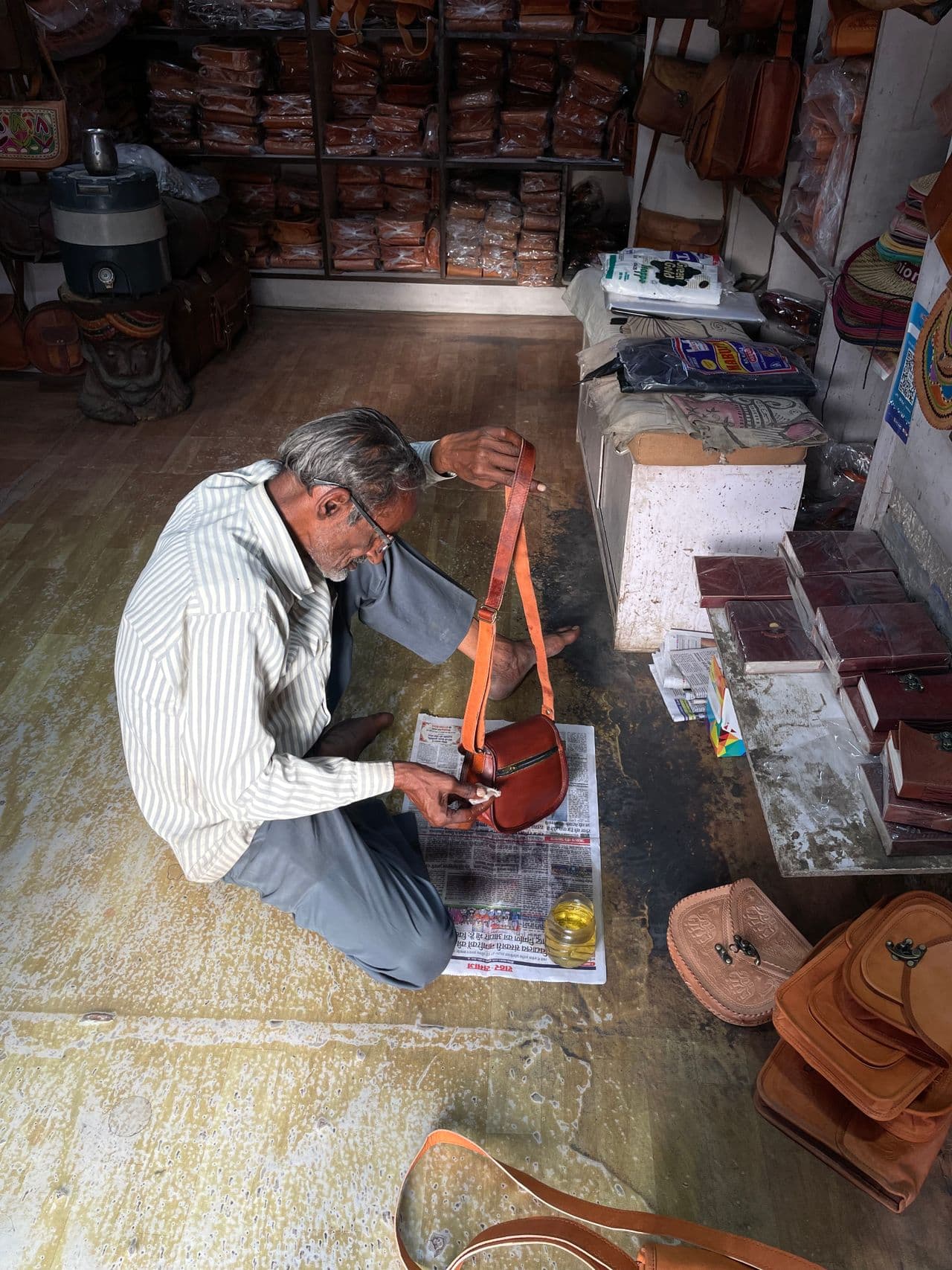
If you make handmade jewellery, custom furniture, personalised gifts, or any product that requires real time and materials before it's even ready to ship, asking a stranger to pay 100% upfront for something they haven't seen yet can feel like a big ask, both for you and for them. Dcommerce's partial and advance payments feature is built specifically for this situation, letting sellers of custom and made-to-order products take a portion of payment upfront, rather than requiring full payment or relying entirely on trust-based informal arrangements.
Why Custom and Handmade Products Need a Different Payment Approach
Standard ready-to-ship products carry relatively low risk for a seller taking Cash on Delivery, since the item already exists and simply needs to reach the customer. Custom and made-to-order products flip that risk: the seller invests real time and materials into creating something specifically for one customer, before that customer has committed with any payment at all in an informal DM-based process. Advance payments solve this by giving sellers a genuine commitment before production begins, protecting against the scenario where a customer requests a custom piece and then disappears once it's ready.
How Advance Payments Work in Practice
Rather than requiring a customer to pay the full amount before any work begins, or shipping a finished custom item purely on trust, sellers can configure an upfront advance payment, a percentage or fixed amount collected at the time of order confirmation, with the remaining balance collected later, either before dispatch or on delivery depending on how the seller sets it up. This structure mirrors how custom and made-to-order businesses have always worked offline, formalised into the online payment flow instead of being negotiated manually over WhatsApp each time.
Benefits for the Seller
- Genuine commitment before production starts, reducing the risk of investing time and materials into an order that the customer later abandons.
- Partial cash flow upfront, which can help cover material costs for the specific order rather than needing to fund production entirely out of pocket first.
- Fewer informal, trust-based negotiations over advance amounts, since the payment structure is built into the standard checkout flow rather than requiring a manual conversation for every single custom order.
Benefits for the Customer
- Lower upfront commitment compared to paying the full amount before seeing any progress on a custom piece.
- A structured, transparent process rather than an informal, seller-specific arrangement that varies unpredictably from one custom order to the next.
- Clear expectations from the start about what's being paid when, reducing confusion or disputes later in the process.
Setting the Right Advance Percentage
There's no universal correct advance percentage, but a few factors are worth weighing when deciding what to charge upfront for a given product. Higher material costs relative to the total price generally justify a larger advance, since your upfront financial exposure is greater. Highly personalised items with little to no resale value if the customer backs out, like engraved or monogrammed pieces, also tend to warrant a larger advance, since there's essentially no fallback if the order is abandoned partway through. More standard customisation with some resale potential, like a made-to-order item in a common size, might reasonably use a smaller advance.
Communicating the Advance Payment Clearly to Customers
Since advance payments are less familiar to many customers than a standard full-payment or COD checkout, clearly explaining why the advance exists and what happens with the remaining balance, ideally directly on the product page rather than only at checkout, prevents confusion or hesitation at the point of purchase. A brief note like "50% advance required for this made-to-order piece; balance due before dispatch" sets clear expectations upfront rather than surprising a customer partway through checkout.
Handling the Remaining Balance
Depending on how you configure it, the remaining balance can be collected before dispatch, once the custom item is complete and ready to ship, or on delivery alongside the item itself. Collecting the balance before dispatch reduces your risk further, since you're not shipping a completed custom item without full payment secured, while collecting on delivery may feel more flexible to some customers but reintroduces a portion of the same risk advance payments are meant to reduce in the first place.
Using Advance Payments to Build Trust for New, Unproven Products
Beyond purely custom items, advance payments can also be a useful tool when testing genuinely new product ideas with uncertain demand, letting you gauge real commitment from customers before fully committing to production yourself. A modest advance from a meaningful number of interested customers is a much stronger demand signal than casual DM interest alone, which often doesn't convert into an actual completed order once it's time to pay.
Common Mistakes to Avoid
Setting the Advance Too Low to Actually Protect You
An advance that barely covers a fraction of your material costs provides little real financial protection if a customer abandons the order partway through production.
Not Explaining the Process Clearly Upfront
Customers who don't understand why an advance is required, or what happens with the remaining balance, are more likely to hesitate or abandon the purchase entirely rather than proceeding with an unfamiliar payment structure they don't fully understand.
Applying Advance Payments to Products That Don't Need Them
For standard, ready-to-ship products with low production risk, requiring an advance payment where full COD or prepaid checkout would work just as well adds unnecessary friction without a corresponding benefit.
Bringing It All Together
Dcommerce's partial and advance payments feature gives sellers of handmade, custom, and made-to-order products a structured, transparent way to reduce production risk without requiring full upfront payment from customers who haven't yet seen their finished piece. Used thoughtfully, with a clearly communicated advance percentage that matches the actual risk and cost involved, it formalises what custom sellers have always needed to do informally, giving both sellers and customers a clearer, more trustworthy process to work from.