Running a Fashion Brand on Dcommerce: A Full Guide

Dcommerce Team
Author
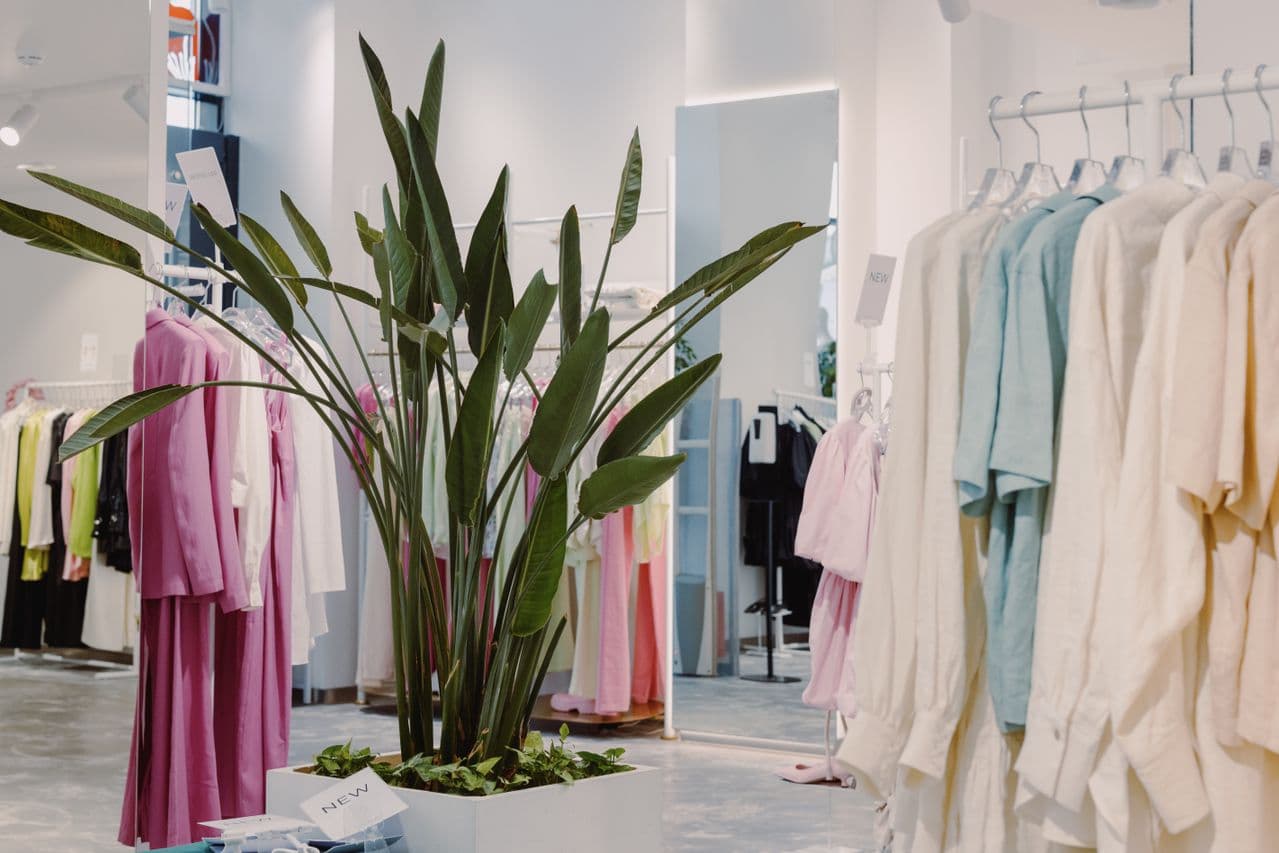
Fashion and apparel selling comes with its own specific set of headaches: sizes, colours, exchanges, and customers who need to trust fit and fabric without ever touching the product. Running a fashion brand on Dcommerce means the platform's features map fairly directly onto these exact challenges, rather than requiring you to bend a generic e-commerce toolkit to fit apparel-specific needs.
Setting Up Your Catalogue With Variants From Day One
Rather than treating each size-colour combination of a style as a separate product, using variant management to group them under a single product listing keeps your catalogue clean and browsable, while tracking stock accurately for each specific combination behind the scenes. Setting this up correctly from your very first products saves considerable reorganisation effort later, compared to retrofitting variant structure onto a catalogue that started out as dozens of separate, disconnected listings.
Photography That Actually Shows Fit and Fabric
Since customers can't touch fabric or try on sizing before ordering, photography carries even more weight for apparel than for many other product categories. Multiple angles, a worn or modelled shot alongside a flat lay, and close-up texture shots all help customers judge fit and quality more confidently. Pairing this with variant-specific photos, where a colour genuinely changes the visual appearance meaningfully, further reduces the "this doesn't look like the photo" complaints that come from colour mismatches between what's shown and what arrives.
Writing Size Information That Actually Prevents Returns
A generic S/M/L label leaves too much room for interpretation across different brands and cuts. Including actual measurements, in both inches and centimetres, alongside practical fit notes like "runs slightly small, consider sizing up" based on real customer feedback, meaningfully reduces the sizing-related returns that are one of the most common return reasons in fashion e-commerce specifically.
Handling Exchanges Through the Ticketing System
Size and colour exchange requests are a routine, expected part of apparel selling, not a sign anything went wrong. Managing these through the merchant ticketing system, rather than informal DMs, means each exchange request is tracked from initial request through resolution, and combined with real-time variant stock data, you can immediately confirm whether a requested replacement size is genuinely available before committing to the exchange.
Managing COD Returns Specific to Fashion
Apparel tends to see higher COD rejection and return rates than some other product categories, often tied specifically to sizing uncertainty and fit expectations. Safe COD verification helps filter out low-intent orders before dispatch, but pairing it with accurate sizing information and honest photography addresses the fashion-specific return causes that verification alone can't solve, since a genuinely intentioned customer can still reject a parcel if the size turns out to be wrong.
Pricing Strategy for Apparel Specifically
Fashion pricing needs to account for a genuinely higher expected return and exchange rate compared to some other categories, building a reasonable buffer into your margin calculations rather than being caught off guard when returns eat into profitability more than initially expected. Bundling, like a complete outfit or a seasonal collection combo, also tends to work particularly well in fashion, since customers often want to build a full look rather than a single isolated item.
Using Analytics to Understand Size and Colour Performance
Variant-level sales data reveals which specific sizes and colours actually sell best, information that's far more actionable for restocking and future design decisions than knowing a style sold well overall without any detail on which specific variations drove that performance. If a particular size consistently sells out faster than others, that's a direct, data-backed signal for your next restocking order rather than a guess based on general impression.
Building a Repeat Customer Base in Fashion Specifically
Fashion naturally lends itself to repeat purchasing, since customers who liked one piece's fit and quality are likely to trust future purchases from the same brand more readily than a first-time buyer would. Using your WhatsApp broadcast list to announce new collections specifically to past customers, and referencing their previous purchases where relevant, taps into this natural repeat-purchase tendency more effectively than treating every promotional message identically regardless of purchase history.
Balancing Catalogue Breadth With Manageable Complexity
It's tempting to offer every size and colour combination imaginable for each style, but this significantly increases both inventory complexity and the operational burden of variant management. Starting with a focused, well-considered range of sizes and colours per style, based on genuine demand patterns rather than trying to cover every theoretical combination, keeps your catalogue manageable while you're still building out your variant management habits and understanding what your specific customer base actually wants.
Building Seasonal Collections Around Festive and Wedding Seasons
Indian fashion selling has genuinely strong seasonal patterns tied to festivals and wedding season, and planning inventory, photography, and promotional content around these predictable peaks, rather than treating every month identically, tends to drive meaningfully stronger results than an undifferentiated, year-round approach. Preparing festive collections weeks ahead of the actual peak demand window, with inventory and packaging ready in advance, avoids the common trap of scrambling once demand has already started climbing.
Handling Custom or Made-to-Order Apparel
For fashion sellers who offer custom tailoring, made-to-order pieces, or personalised items like monogrammed accessories, partial and advance payments provide a structured way to secure genuine commitment before investing time into a piece made specifically for one customer, rather than relying on informal trust-based arrangements negotiated individually over WhatsApp for every custom order.
What Makes Apparel Selling Different From Other Categories
Compared to simpler, single-variant products, fashion selling genuinely requires more upfront structure: variant management, clear sizing communication, and a reliable exchange process aren't optional extras, they're core to running the business smoothly. Sellers who invest in getting this structure right early tend to see noticeably fewer support headaches and return-related losses than those who try to manage size and colour complexity through informal, ad hoc methods as their catalogue grows.
Bringing It All Together
Running a fashion brand on Dcommerce works well specifically because the platform's variant management, ticketing system, and Safe COD verification map directly onto the real, specific challenges apparel selling brings: sizing, exchanges, and building customer confidence in fit and fabric without an in-person trial. Setting up your catalogue and processes with these fashion-specific realities in mind from the start makes scaling considerably smoother than retrofitting structure onto a growing, disorganised catalogue later.