Setting Delivery Timelines That Keep Customers Happy

Dcommerce Team
Author
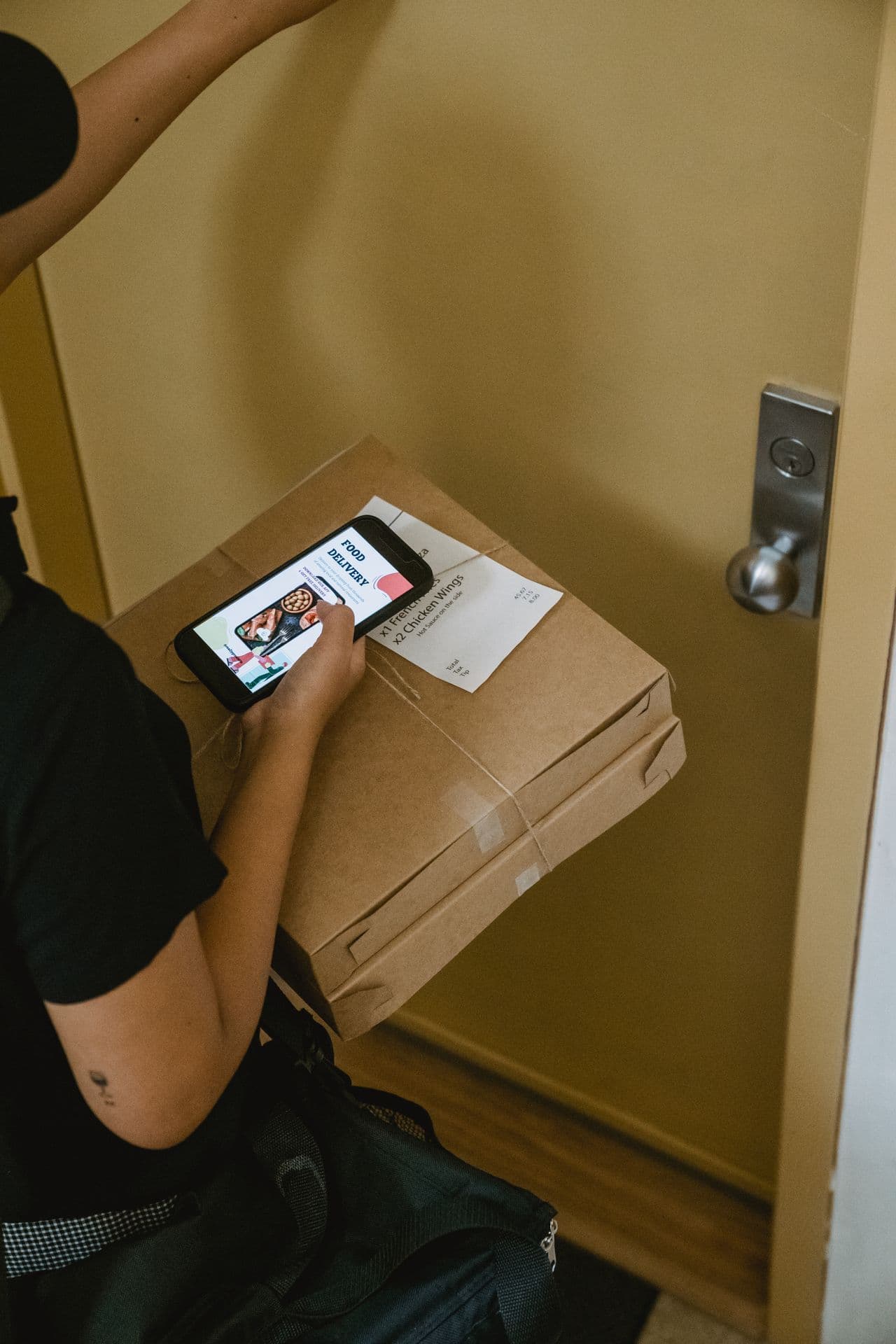
"Delivered in 2 days" sounds great in a promotional caption, but if your actual average delivery takes 4, you're setting yourself up for a steady stream of frustrated customers and anxious "where is my order" messages. Setting realistic delivery timelines isn't about promising the fastest possible number — it's about promising a number you can consistently hit, since a slightly longer but reliable estimate builds far more trust than an optimistic one you frequently miss. This distinction matters more than most sellers initially realise, because the goal isn't to win a speed comparison against competitors; it's to build a reputation for doing exactly what you say you'll do, order after order.
Why Overpromising Delivery Times Backfires
It's tempting to advertise an aggressive delivery timeline to compete with faster marketplaces or larger competitors, but the actual impact on customer experience is usually the opposite of what sellers expect.
- Missed promises damage trust more than honest ones ever build it. A customer who's told 2 days and receives their order in 4 feels let down, even if 4 days is a perfectly reasonable timeline on its own.
- Support volume increases as customers message asking why their "2-day" order hasn't arrived by day 3, creating unnecessary work that a realistic estimate would have avoided.
- Reviews suffer when customers mention delivery delays, even if the product itself was exactly as described and genuinely good.
- Repeat purchases drop since customers who feel misled about delivery speed are less likely to trust your next promise, whatever it might be.
Accurate, even conservative, delivery timelines consistently outperform optimistic ones in terms of actual customer satisfaction and repeat business.
Calculating Your Realistic Average Delivery Time
Rather than guessing or copying a competitor's advertised timeline, calculate your own based on real data from recent orders.
- Pull delivery data from your last 30-50 orders, noting the time from dispatch to actual delivery for each.
- Identify your average and your slowest cases, not just your fastest ones, since a promise based only on best-case scenarios will be wrong more often than right.
- Add a small buffer beyond your calculated average to account for normal variability, rather than promising the exact average figure.
- Segment by region if delivery times vary significantly between nearby and distant pin codes, since a single national estimate can be misleading for both extremes.
This data-driven approach almost always produces a slightly more conservative number than what feels exciting to advertise, but it's the number that actually holds up once customers start ordering at scale.
Communicating Timelines Clearly at Every Stage
On the Product Page
State your typical delivery window clearly, ideally as a range rather than a single fixed number, such as "delivered within 4-6 business days" rather than a precise but unreliable "delivered in 3 days."
At Checkout
Confirming the expected delivery window one more time at checkout reinforces the expectation right before the customer completes their purchase, reducing the chance they misremember or misread an earlier mention on the product page.
In the Order Confirmation
Repeating the estimated delivery window in your automatic order confirmation message gives customers a clear reference point to check back against, rather than relying on memory of what they read earlier.
During Transit
Sending proactive tracking updates as the order moves through each stage keeps customers informed without them needing to ask, and reinforces that the timeline you promised is actually being tracked and honoured.
Setting Different Timelines for Different Regions
Delivery speed genuinely varies by distance and regional logistics infrastructure, and pretending otherwise with a single blanket estimate does a disservice to customers on both ends. Customers in metro areas close to your dispatch location may realistically receive orders faster than the national average, while customers in remote or less-connected regions may need a longer window. Where your logistics partner provides estimated delivery timelines by pin code or region, using that data to set more accurate, location-specific expectations gives every customer a promise that's actually likely to be kept, rather than a single compromise number that's slightly wrong for almost everyone.
Common Delivery Timeline Mistakes to Avoid
Copying a Competitor's Advertised Timeline
Just because a larger competitor advertises next-day delivery doesn't mean that timeline is achievable for your own logistics setup, order volume, or region coverage. Copying a number you can't actually deliver on sets you up for the exact problem realistic timelines are meant to solve.
Using a Single National Estimate for a Diverse Customer Base
If a meaningful share of your customers are in regions genuinely farther from your dispatch point, a single blended average can undersell your speed to nearby customers while oversetting expectations for distant ones. Splitting your estimate into even two or three rough regional bands often solves this without requiring complex logistics analysis.
Not Updating Timelines as Your Business Changes
A delivery estimate calculated when you were shipping ten orders a week may no longer hold once you're shipping a hundred, since dispatch capacity and courier relationships change with scale. Revisiting your timeline calculation periodically, especially after any noticeable change in order volume, keeps your promise grounded in current reality rather than outdated assumptions.
Treating the Estimate as a Guarantee Rather Than a Typical Range
Presenting a delivery timeline as an absolute guarantee, rather than a typical range with occasional natural variation, sets an unrealistic bar that even a generally reliable process will eventually miss. Framing it honestly as "usually delivered within X-Y days" manages expectations better than an implied promise of perfection every single time.
Using Delivery Timeline Accuracy as a Trust-Building Tool
Once your delivery timelines are genuinely accurate, they become a quiet but powerful trust signal you can actively highlight rather than just a logistical detail buried on a policy page. Mentioning your reliable delivery window in product descriptions, order confirmations, and even customer reviews you encourage customers to leave, reinforces that your store consistently delivers on what it promises. Over time, this reputation for accuracy becomes a genuine competitive advantage, especially against sellers who still advertise unrealistic timelines that frequently disappoint.
Handling Delivery Timeline Expectations for Custom or Made-to-Order Products
Products that require production time before they can even be shipped need a completely different approach to timeline communication. Rather than quoting only the shipping duration, clearly separate and communicate both the production time and the delivery time, so customers understand the full picture rather than assuming the shipping estimate alone represents when they'll receive their order. For example, "handmade to order — allow 3-5 days for crafting, plus 4-6 days for delivery" sets a far more accurate expectation than a delivery timeline that quietly omits the production stage entirely.
Adjusting Timelines During High-Demand Periods
Your standard delivery timeline shouldn't be treated as fixed year-round. During festive seasons, sales events, or any period of unusually high order volume, both your own dispatch capacity and the broader courier network face additional strain, which typically pushes actual delivery times slightly longer than normal. Proactively extending your advertised delivery timelines during these periods, rather than keeping your standard promise and quietly missing it more often, keeps customer expectations aligned with what's actually achievable when demand is at its highest.
Recovering When a Timeline Promise Is Missed
Even with careful planning, some orders will occasionally run past the promised window. How you handle it matters as much as the promise itself. Reaching out proactively as soon as you notice a delivery is running behind, rather than waiting for the customer to notice and complain, preserves far more goodwill. A brief, honest explanation combined with a revised, realistic estimate almost always resolves the concern, especially when it's paired with a small gesture of goodwill, like a discount on a future order, for the inconvenience caused.
Bringing It All Together
Realistic delivery timelines, calculated from your own actual data rather than aspirational marketing numbers, consistently produce happier customers than aggressive promises that look better in an Instagram caption but fail more often than they succeed. Communicating the same accurate window clearly at every stage, from product page to order confirmation to tracking updates, keeps expectations aligned throughout the entire journey. This consistency, repeated across every single order, is what quietly builds the kind of reputation that turns first-time buyers into customers who trust you enough to order again without a second thought.
With Dcommerce's Ekart logistics integration providing live tracking links sent automatically to customers, keeping delivery expectations accurate and up to date becomes a natural part of the order flow rather than something you have to manage manually for every single order.