Variant Management for Fashion Sellers on Dcommerce

Dcommerce Team
Author
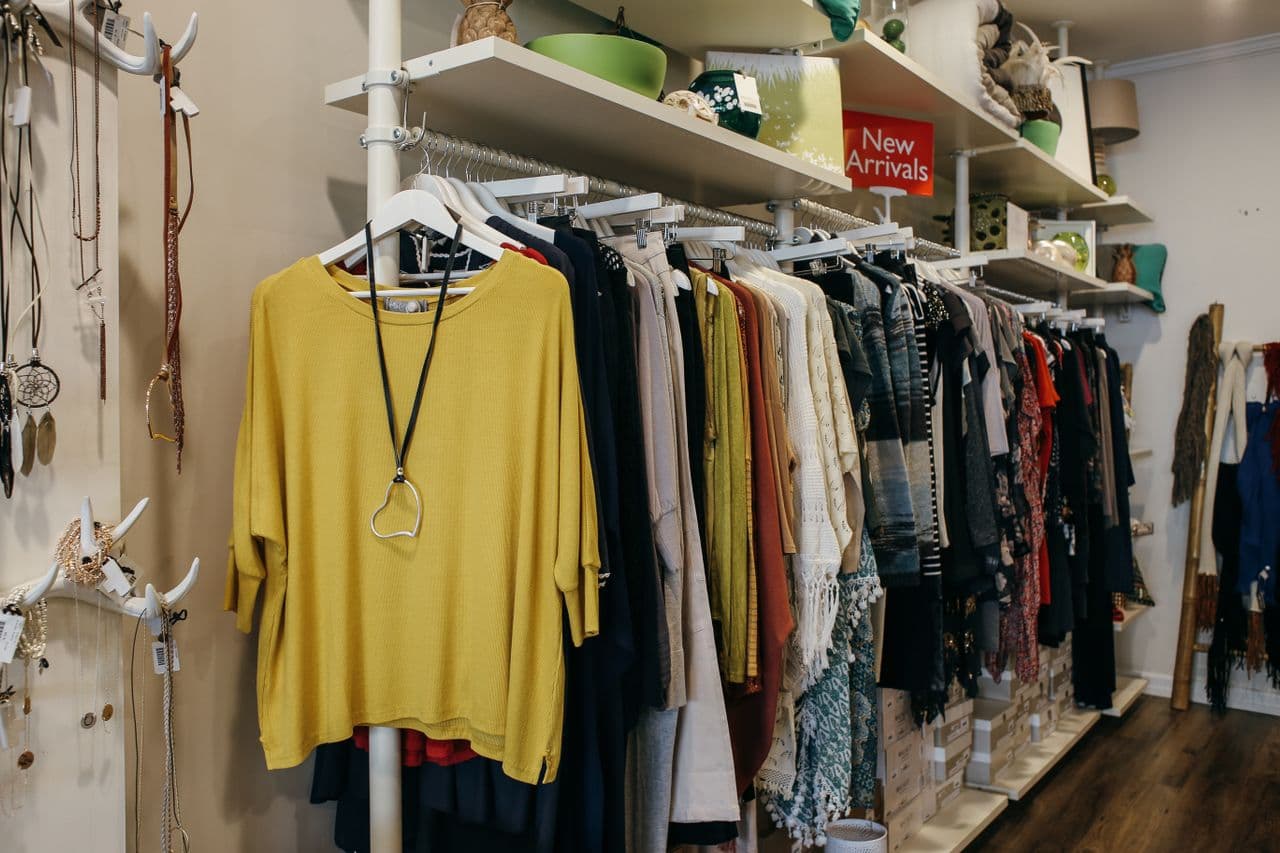
A single dress that comes in four colours and five sizes isn't one product — it's potentially twenty different combinations, each with its own stock level, and keeping track of that manually across Instagram DMs quickly turns into chaos. Dcommerce's variant management feature is built specifically to handle this, letting fashion and apparel sellers manage multiple sizes and colours for a single product without the spreadsheet gymnastics that used to come with it.
What Variant Management Actually Solves
Before structured variant management, many sellers either listed every size-colour combination as a completely separate product, cluttering the catalogue and making the storefront confusing to browse, or tracked stock informally, leading to the frustrating and trust-damaging experience of confirming an order for a size that turns out to be unavailable. Variant management keeps a single product page with selectable options, while tracking stock accurately for each individual size-colour combination behind the scenes.
How It Works From a Customer's Perspective
A customer browsing a dress on your storefront sees one clean product page, with dropdown or button selectors for size and colour. As they select different combinations, the page reflects real-time availability, so they immediately know if their preferred size in a specific colour is actually in stock, rather than placing an order and finding out afterward that it isn't available.
How It Works From Your Side as a Seller
When adding a product, you define the available variants, sizes, colours, or both, and set stock levels for each specific combination individually. As orders come in, stock automatically decrements for the exact variant sold, keeping your available inventory accurate without needing to manually adjust counts across a spreadsheet or a messy running tally in a notebook.
Why This Matters for Reducing Returns and Complaints
A meaningful share of returns and customer complaints in fashion e-commerce trace back to sizing confusion or unavailable variants being accepted by mistake. Accurate, variant-level stock tracking directly prevents the second problem, since you genuinely can't oversell a size-colour combination that's already sold out, the system simply won't show it as available. This alone removes one of the more common sources of frustrated customers and awkward post-order cancellations.
Organising Your Catalogue With Variants in Mind
Group Related Variants Under One Product
Rather than creating separate listings for each colour of the same style, grouping them as variants of a single product keeps your catalogue cleaner and easier to browse, while still tracking each combination's stock individually behind the scenes.
Keep Variant Photos Accurate
Where colour variants look meaningfully different, uploading a distinct photo for each colour option, rather than relying on a single generic product image, helps customers choose confidently and reduces the "this doesn't look like the photo" style complaints that come from color mismatches.
Set Realistic Size Charts Alongside Variants
Pairing variant selection with a clear size chart, showing actual measurements rather than just S/M/L labels, further reduces sizing-related returns, since customers can make a more informed size choice before ordering rather than guessing.
Managing Stock Across Popular vs Slow-Moving Variants
Not every size or colour sells at the same rate, and variant-level data makes this visible in a way that aggregate product-level stock counts never could. If a specific size consistently sells out faster than others, that's a clear, actionable signal for your next restocking order, rather than restocking evenly across all variants and ending up overstocked on slow movers while your genuinely popular sizes run out repeatedly.
Using Variant Data to Inform Future Designs
Beyond restocking, tracking which specific colour or size combinations perform best over time can meaningfully inform future product decisions, whether that's which colours to prioritise in an upcoming collection or which sizes to stock more heavily from the start. This kind of variant-level insight is far more useful for planning than simply knowing which product style sold well overall, without any detail on which specific variations actually drove that performance.
Handling Variant-Specific Exchanges
When a customer requests a size exchange, having accurate, real-time variant stock means you can immediately check whether their requested replacement size is actually available, rather than promising an exchange and then discovering the needed size is out of stock. Combined with the merchant ticketing system for handling the actual exchange request, this keeps the whole process organised and prevents a promised exchange from turning into a second frustrating experience for the customer.
Common Mistakes to Avoid With Variant Setup
Not Updating Stock Levels Promptly After a Manual Adjustment
If stock is adjusted outside the normal order flow, such as after an offline sale or a damaged item being removed from inventory, updating the variant stock level promptly prevents the same oversell problem the feature is designed to solve in the first place.
Overcomplicating Variant Options
Offering an excessive number of size or colour combinations for a single product can overwhelm customers with choice and complicate your own inventory management unnecessarily; keeping variant options genuinely relevant to actual demand tends to work better than maximising options for their own sake.
Bringing It All Together
Dcommerce's variant management turns the size-and-colour chaos that used to come with fashion selling on Instagram into an organised, accurate system that prevents overselling and gives sellers genuinely useful data on what's actually working. For any apparel or accessories seller managing more than a couple of simple product options, this feature removes a significant amount of the manual tracking headache that used to eat into time better spent on sourcing, photography, and customer relationships.