Why Your Dcommerce Store Stays Fast Under Traffic

Dcommerce Team
Author
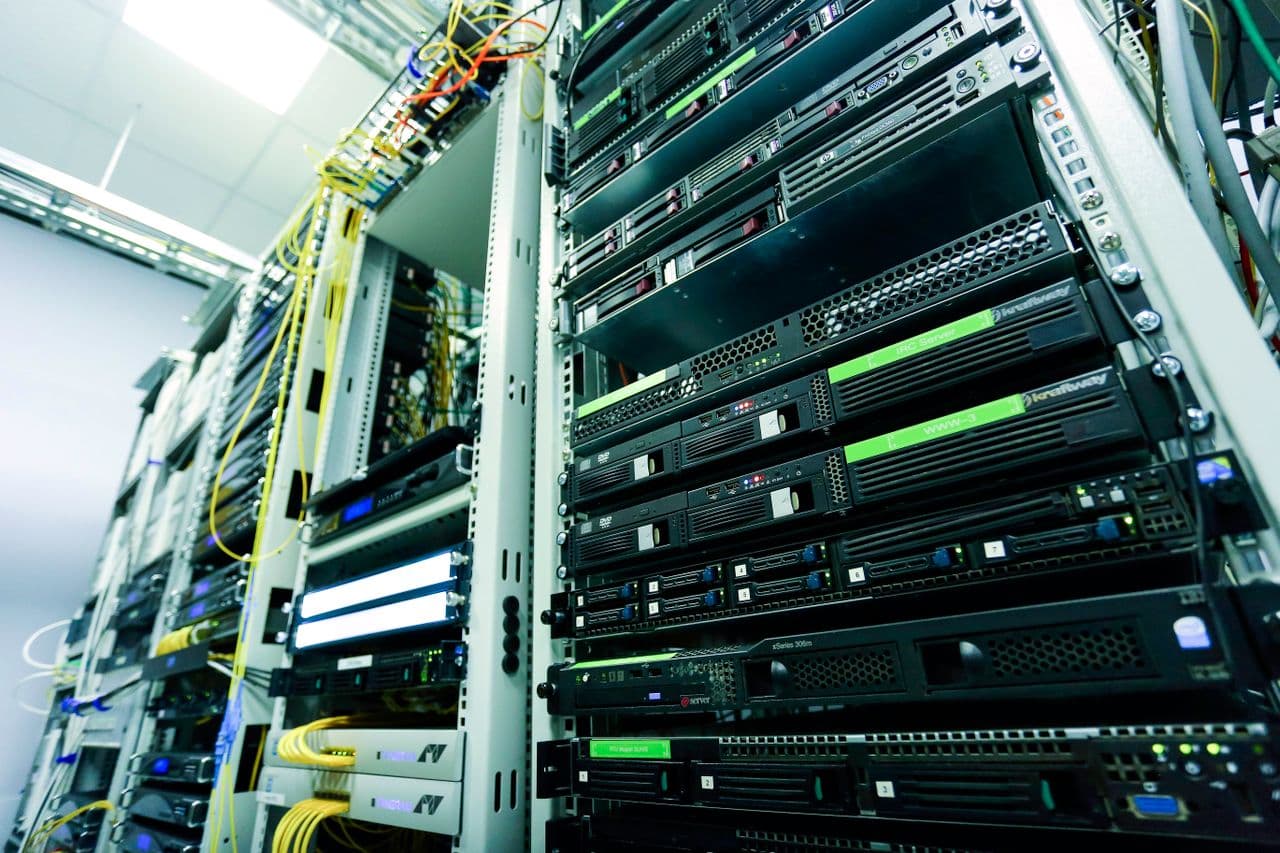
A Reel goes viral at 11pm on a Tuesday and suddenly your storefront gets ten times its normal traffic in an hour. Does it slow to a crawl, or does it hold up? This is exactly the scenario Dcommerce's underlying infrastructure is built to handle, using a multi-tenant architecture designed for high uptime and fast load speeds, even when traffic spikes unpredictably.
Why Storefront Speed Actually Matters for Sales
Every extra second a page takes to load costs you sales, since impatient visitors on mobile data simply leave rather than wait, especially when they arrived through a fast-moving Instagram Reel or story and expect the same snappy experience to continue. A slow storefront doesn't just frustrate visitors, it directly translates into lost revenue, since a meaningful share of visitors abandon a page that takes more than a few seconds to load, particularly on mobile networks where load times matter even more than on desktop.
What Multi-Tenant Architecture Actually Means
Rather than each seller's store running on its own isolated, individually-managed server, a multi-tenant architecture serves many stores from shared, robust underlying infrastructure, built specifically to handle variable load efficiently across all the stores it serves. This approach lets the platform invest in genuinely strong, well-maintained infrastructure at a scale that would be impractical or extremely costly for any single small seller to build and manage independently for just their own store.
How This Protects You During Traffic Spikes
Traffic spikes are unpredictable by nature: a Reel unexpectedly goes viral, a festive sale drives a sudden rush, or a mention from a larger account sends a wave of new visitors your way all at once. Infrastructure designed to absorb this kind of variable load means your storefront stays fast and available exactly when it matters most, rather than the frustrating scenario where a genuine marketing win gets undermined by a storefront that can't handle the resulting traffic.
Why This Matters More for Small, Independent Sellers
A large company might have dedicated engineering resources to monitor and scale their own infrastructure during high-traffic moments. A small, independent seller obviously doesn't have that luxury, which means relying on infrastructure that's already built to handle this reliably, without requiring any manual intervention or technical knowledge on the seller's part, is genuinely valuable rather than a nice-to-have.
How This Compares to a Self-Hosted or Custom-Built Website
Sellers who build a custom website independently often need to actively think about hosting plans, server capacity, and what happens if traffic exceeds what their chosen plan supports, sometimes discovering the limits the hard way when a genuinely successful marketing moment causes their own site to slow down or crash entirely. Built-in, shared infrastructure designed specifically to handle this kind of variable load removes that entire planning burden, letting sellers benefit from infrastructure robustness that would otherwise require either significant technical expertise or a meaningfully larger hosting budget to replicate independently.
Why Mobile Performance Specifically Matters
Since the overwhelming majority of Instagram and WhatsApp-driven traffic arrives on mobile devices, often over mobile data rather than fast home WiFi, storefront speed on mobile specifically matters even more than desktop performance for this particular seller base. Infrastructure built with this reality in mind, rather than optimised primarily for desktop use cases, aligns directly with how real customers actually experience a Dcommerce storefront in practice.
What a Fast, Reliable Storefront Enables You to Do Confidently
Run Aggressive Promotions Without Fear
Knowing your storefront can handle a sudden spike in interest means you can promote a flash sale or a limited drop enthusiastically, without worrying that success itself might cause the technical problems that undermine the promotion.
Post Content That Might Go Viral
Creating genuinely shareable, high-potential content becomes less risky when you're not worried about what happens if it actually performs beyond expectations and sends an unusual volume of traffic your way.
Handle Festive Season Surges Confidently
Festive periods bring naturally higher traffic across the board, and having infrastructure that's already built to absorb this kind of predictable seasonal surge removes one more variable to worry about during an already busy period.
How Uptime Reliability Affects Customer Trust
Beyond speed specifically, consistent uptime, meaning your storefront simply being available and working whenever a customer tries to visit, matters enormously for trust. A customer who clicks through from your Instagram bio and lands on an error page or a storefront that won't load is unlikely to try again later; they'll simply assume something is wrong with your business and move on. Reliable uptime is invisible when it's working well, but its absence is immediately, visibly damaging to customer trust.
What Sellers Don't Need to Worry About as a Result
Because the underlying infrastructure handles scaling and reliability, sellers don't need to think about server capacity, hosting configuration, or manually monitoring for downtime, the kind of technical concerns that would otherwise require either specialised knowledge or ongoing expense to manage independently. This lets sellers focus their attention entirely on products, content, and customers, rather than infrastructure management that has nothing to do with actually running their specific business.
What Sellers Can Still Do to Keep Their Own Storefront Fast
While the underlying infrastructure handles the heavy lifting, a few seller-side habits still help keep individual pages loading quickly: using appropriately sized, compressed product images rather than unnecessarily large files, and avoiding an excessive number of product variants or options on a single page that could slow down rendering. These are relatively minor factors compared to the underlying infrastructure, but they're worth keeping in mind as good practice alongside the platform's built-in performance foundation.
Bringing It All Together
Dcommerce's multi-tenant architecture handles the technical heavy lifting of keeping storefronts fast and reliably available, even during unpredictable traffic spikes from a viral Reel, a festive sale, or simply steady organic growth over time. For a small, independent seller without dedicated technical resources, this infrastructure reliability removes an entire category of risk that would otherwise sit quietly in the background, waiting to become a real problem at exactly the worst possible moment.